

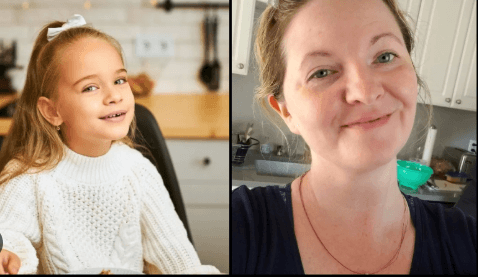
Introduction
When we hear tales of extraordinary bravery, rarely do they stem from the voice of a five‑year‑old. Yet the story of Tia Hernlen, a young girl who woke to a nightmare in her home and reacted with remarkable composure, stands out as one of courage, trauma, resilience and survival in the face of devastating loss. This long‑form article explores her early life, the tragic event, her aftermath journey, and the lessons her story carries for childhood trauma, community support and trauma‑informed care.
Early Life and Family Life
Before tragedy struck, Tia lived with her parents, Julie and Aeneas Hernlen, in Volusia County, Florida. While public records are limited, sources note that the Hernlens were a loving, close‑knit family, and Tia was only about five years old when the incident occurred. They had hoped to create a stable, safe environment for their daughter.
It is important to highlight the context: a young child’s world filled with family routines, trust in parental structure, and the sense of security that children need to flourish. When that foundation was abruptly shattered, the impact on Tia’s life was profound.
The Tragic Night: March 28, 2005
On the early morning of March 28, 2005, the Hernlen home in Florida was invaded by a man named David Edward Johnson. According to reporting, Johnson held a grudge against the Hernlen family for allegedly turning him in for a drug‑related offence (though the details remain contested).
Johnson forced his way into the home while Julie and Aeneas were asleep. He fatally shot both parents—Julie died at the scene, and Aeneas later in hospital. Tia, asleep in the same house, awoke to noises, discovered her parents shot, and then did something extraordinary: she dialled 911.
During the call, Tia’s calm demeanour and detailed description stunned the dispatcher. She said things like: “I think they’re dead… there is blood… my mom and dad aren’t waking up.” Despite her young age, she gave location information and explained the situation clearly.
Johnson subsequently died by suicide, removing the chance for criminal prosecution but leaving a devastating void of loss and unanswered questions.
Immediate Aftermath and Trauma Response
Placement and Guardianship
Following the tragedy, Tia was placed in the care of her grandparents (extended family) in Central Florida. The community rallied to support her, setting up a trust fund for her education and future needs.
Psychological and Emotional Impact
The psychological effects of witnessing such violence and experiencing the sudden loss of both parents are enormous. For a child of her age:
- Loss of primary attachment figures
- Exposure to traumatic events (gunshots, bodies, violence)
- Disruption of the sense of safety and normalcy
- Ongoing risk of complicated grief, childhood PTSD, survivor’s guilt
While much of Tia’s private therapeutic journey is not public, experts emphasise that children in similar situations require trauma‑informed care, stable living arrangements, and trust‑centred relationships to rebuild a sense of security and hope.
Community Support & Media Attention
The story attracted national media attention due to the remarkable 911 call and the tragic nature of the crime. Yet the very real concern of re‑traumatisation through media spotlight was present. Her family chose to shield her from further exposure, change her name later, and maintain privacy.
Life After — Growing Up, Privacy and Resilience
As time passed, Tia grew out of the immediate public attention. Here’s what research shows about where she stands now:
- She changed her name in 2018 to protect her privacy and evade unwanted media attention.
- She lives a quiet life in Central Florida, raised by relatives with community financial support.
- Her story has been referenced in legal, social work and trauma‑informed care discussions—her case is often cited when exploring child survivors of violence.
Although details of her education, career path or public status aren’t confirmed (and are intentionally held private), the indication is that she survived the transition from child survivor to young adult with the support structures in place.
Broader Implications: Trauma‑Informed Care, Child Protection & Resilience
Importance of Early Intervention & Support
Tia’s experience underscores the need for immediate and long‑term trauma‑informed care for children exposed to violence. Key points include:
- Access to psychological counselling attuned to developmental stage
- Stable living and caregiving environment (e.g., with grandparents)
- Protection from ongoing media exposure and secondary trauma
- Financial safeguards (such as trust funds) to secure future stability
Child Agency & Emergency Response
Her 911 call is a stark reminder that children—even very young ones—can act as first responders in emergencies. Agencies now emphasise training dispatchers to communicate with children in crisis, recognising that children may be the only voice of help. Her call exemplifies that potential.
Systemic and Legal Considerations
The Hernlen case raised questions regarding:
- How prior threats against families are handled
- The effectiveness of restraining orders and proactive protection
- Coordination between law enforcement, mental health services, child welfare and community networks
Her story helps highlight that preventing violence isn’t just about reacting—it’s also about systems recognising early warning signs and offering protective measures.
Resilience and Post‑Traumatic Growth
While tragedy defines the event, resilience defines the ongoing story. Tia shows how survival is not just about living through the crisis—but about growing in its wake. This echoes modern trauma research: with appropriate support, even children who experience extreme trauma can rebuild, find meaning, and reclaim agency.
Conclusion
The tale of Tia Hernlen is a poignant combination of tragedy and triumph. It begins with an extraordinary act of bravery from a five‑year‑old faced with unspeakable horror. It continues with the long, unglamorous work of healing—supported by family, community, and privacy. Her journey from traumatized child to resilient young adult offers important lessons for us all: about how children experience trauma, how communities respond to crisis, and how systems must evolve to protect the most vulnerable.
Tia’s story reminds us that even the smallest voice—calm, clear, brave—can become a catalyst for hope and change. Her survival is not simply a matter of being alive; it is the quiet persistence of rebuilding a life in spite of loss, of learning to trust again, and of living with strength when the world might expect despair.
Read Also: What Is the Error Softout4.v6?
FAQs
1. Who is Tia Hernlen?
Tia Hernlen is a girl from Florida who, at age five in 2005, made a 911 call after her parents were fatally shot in their home. Her composed reaction and survival made her a symbol of resilience.
2. What happened to her parents?
Her parents, Julie and Aeneas Hernlen, were murdered in their home in early March 2005 by a man named David Edward Johnson, who subsequently committed suicide.
3. How did Tia react during the crisis?
Despite being only five, Tia called 911, described the scene of her parents lying wounded, and gave location details to the dispatcher in a calm and coherent way, which helped emergency services respond.
4. What supports were put in place after the tragedy?
Tia was placed with her grandparents, protected from media exposure, supported by a community‑set up trust fund for her education and welfare, and her family changed her name for privacy when she turned 18.
5. Where is Tia now and what is her legacy?
Tia lives a private life in Central Florida, away from the public spotlight. Her legacy is less about fame and more about how child survivors of violent trauma can be supported, rebuild, and lead lives marked by resilience rather than victimhood.